Introduction
When it comes to maintaining the integrity of your home, one often overlooked aspect is the installation and positioning of gutters, especially under steep roofs. Properly placing gutters under steep roofs for maximum efficiency can not only prevent water damage but also enhance the overall aesthetic of your property. In seamless gutter installation this comprehensive guide, we’ll dive into various aspects of gutter installation, replacement, and maintenance while specifically focusing on how to effectively manage gutters in challenging roof situations.
From understanding the gutter installation process to discussing materials like seamless aluminum and copper gutters, this article aims to equip gutter company you with all the knowledge you need. So grab a cup of coffee and let’s get started!
Properly Placing Gutters Under Steep Roofs for Maximum Efficiency
When planning your gutter system, particularly under steep roofs, there are several key factors to consider. First off, steep roofs tend to shed water more rapidly than shallower ones. This means that if your gutters aren’t positioned correctly or are too small, they can quickly become overwhelmed during rainfall.
Why Is Gutter Placement Important?
Gutter placement is crucial for effective water drainage and preventing issues such as foundation damage or basement flooding. Here are some reasons why proper placement is essential:
- Water Control: Properly placed gutters direct water away from your roof and foundation. Preventing Erosion: Effective drainage reduces soil erosion around your home. Minimizing Ice Dams: On steep roofs, melting snow can quickly refreeze in gutters if they're not pitched correctly.
Factors Affecting Gutter Placement on Steep Roofs
Roof Pitch: The steeper the roof pitch, the faster water flows downwards. Thus, a slight miscalculation in gutter placement could lead to overflow. Roof Material: Different roofing materials will affect how water runs off; metal roofs may require different considerations than asphalt shingles. Climatic Conditions: Consider both rain frequency and snow load when deciding on gutter size and placement.Choosing the Right Gutter System for Your Home
When selecting a gutter system suitable for steep roofs, it's critical to weigh your options carefully:
Types of Gutter Systems:
- Sectional Gutters: These are pre-cut pieces that fit together at corners; however, they may be less reliable due to seams. Seamless Gutters: Made from a continuous piece of material without joints or seams; these often offer better performance against leaks.
Material Choices:
- Aluminum Gutters: Lightweight yet durable; resistant to rust. Copper Gutters: Elegant but expensive; known for their longevity. Vinyl Gutters: Inexpensive but may crack in extreme temperatures.
Gutter Installation Process Explained
Understanding the gutter installation process can help you make informed decisions whether you choose DIY or hire professionals.
1. Planning
- Measure roof edges where gutters will be installed. Design a layout that incorporates necessary downspouts.
2. Material Selection
- Choose materials based on durability and budget constraints.
3. Installation
- Attach brackets securely to support the weight of potential debris and water flow. Correctly position downspouts—ideally at least 10 feet away from foundations.
4. Testing
- After installation, run water through the system to ensure it’s draining correctly.
How Long Does Gutter Installation Take?
The duration of a gutter installation varies depending on several factors:
- Size of Home: Larger homes with more extensive roofing systems will naturally take longer. Type of Gutter: Seamless installations usually take longer than sectional systems due to custom fittings.
Typically, professional installations can take anywhere from half a day to two days.
Gutter Installation Costs Broken Down
Understanding costs involved can help you budget appropriately:
| Cost Element | Estimated Range | |--------------------------|----------------------| | Materials (per foot) | $3 - $30 | | Labor (installation) | $100 - $200 per hour | | Additional Features | Varies by selection |
Note: Prices fluctuate based on geographic location.
DIY Gutter Installation vs Professional Install
While DIY installations can save money upfront, they come with risks:
Pros of DIY:
- Cost-effective if you have the tools and skills. Personal satisfaction from completing a home project.
Cons of DIY:
- Potential for incorrect measurements leading to ineffective drainage. Safety risks associated with working at heights.
On the other hand:
Pros of Professional Install:
- Expertise ensures proper fitting and compliance with local codes. Warranty protection often provided on materials and labor.
Cons of Professional Install:
- Higher initial cost compared to DIY projects.
Ultimately, weigh these pros and cons against your specific situation before making a decision!
What to Expect During Gutter Replacement
Replacing old gutters typically involves several steps:
Removal: Old gutters need careful removal without damaging surrounding structures. Inspection: Before installing new ones, check fascia boards for signs of rot or damage. Installation: Follow manufacturer guidelines closely during installation.FAQs
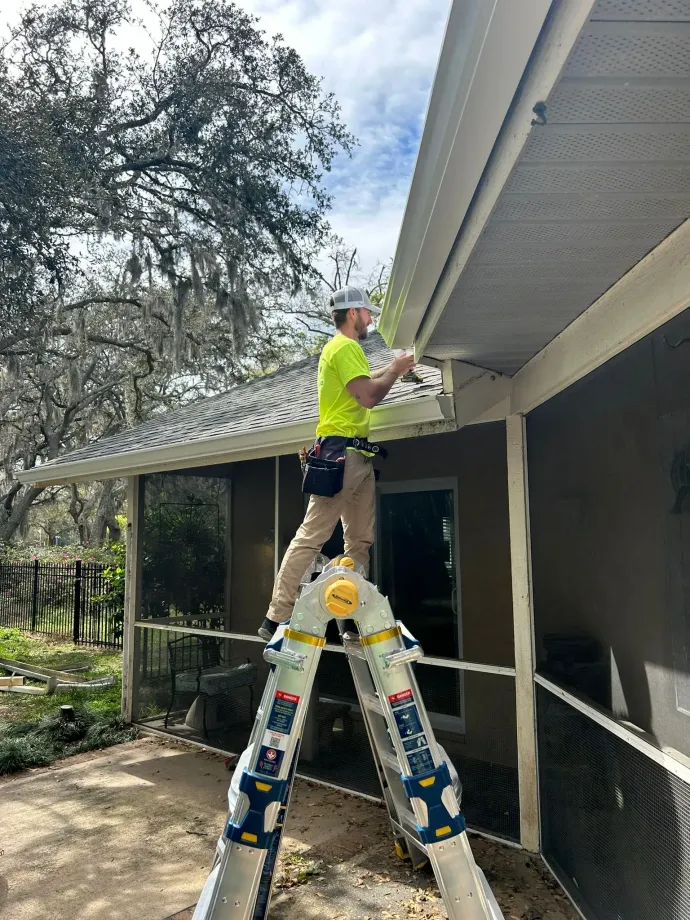
1. How do I know if I need new gutters?
2. What’s the lifespan of aluminum gutters?
On average, aluminum gutters last between 20 – 30 years depending on conditions.
3. Can I install gutter guards myself?
Yes! Many homeowners choose DIY installation; however ensuring proper fit is crucial for effectiveness.
4. How often should I clean my gutters?
You should clean them at least twice a year or more often if surrounded by trees shedding leaves frequently!
5. Do seamless aluminum gutters really prevent leaks better?
Yes! Because they lack seams where leaks typically occur, seamless options provide enhanced protection against leaking.
6. Can improper pitch cause problems?
Absolutely! An improperly pitched system can lead directly towards overflowing during heavy rains.
Conclusion
In conclusion, properly placing gutters under steep roofs for maximum efficiency requires careful consideration of various factors including roof pitch and material choice while also adhering strictly to local building codes! Whether you opt for professional help or tackle it yourself—understanding every step makes all the difference in protecting your home from potential water damage! With this guide in hand, you're now equipped with ample knowledge regarding installations so go ahead—make those decisions confidently!